meredith emery
1 / 9
2 / 9
3 / 9
4 / 9
5 / 9
6 / 9
7 / 9
8 / 9
9 / 9
standing by the fall
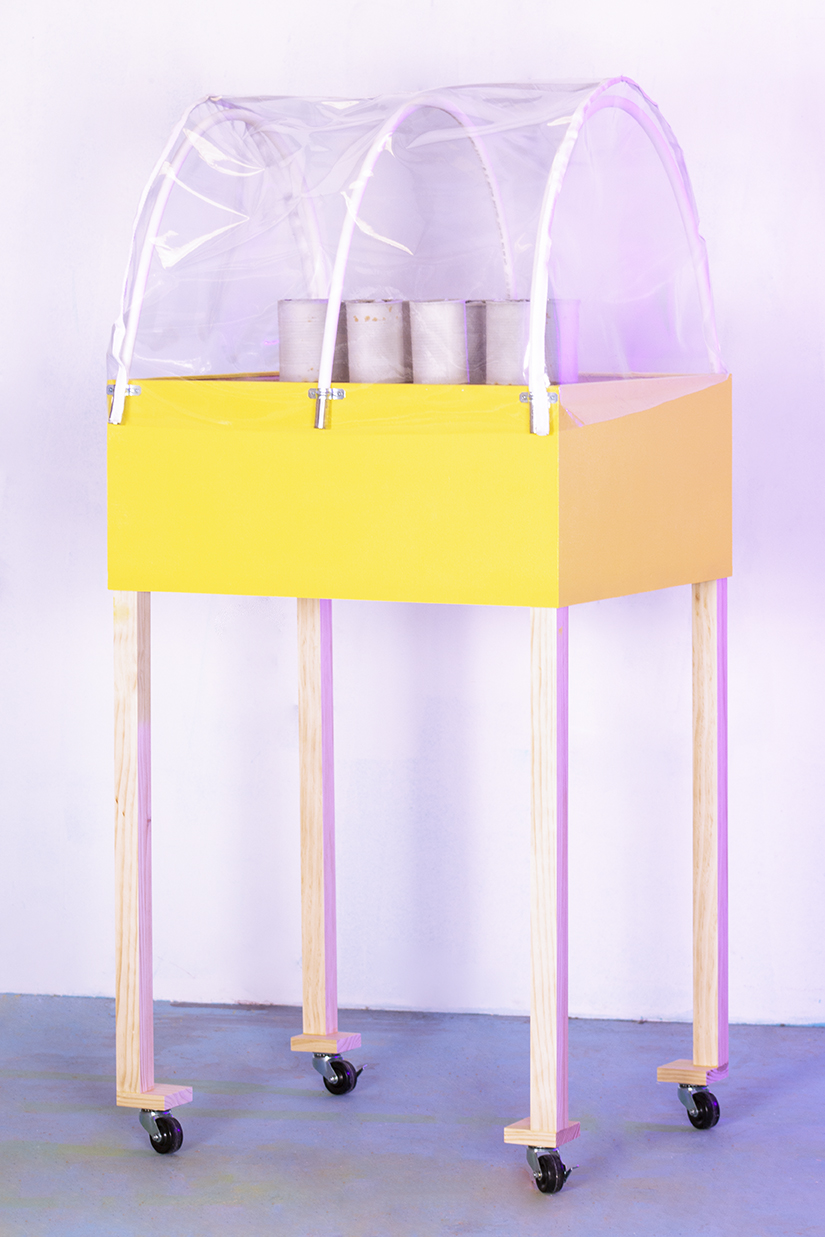
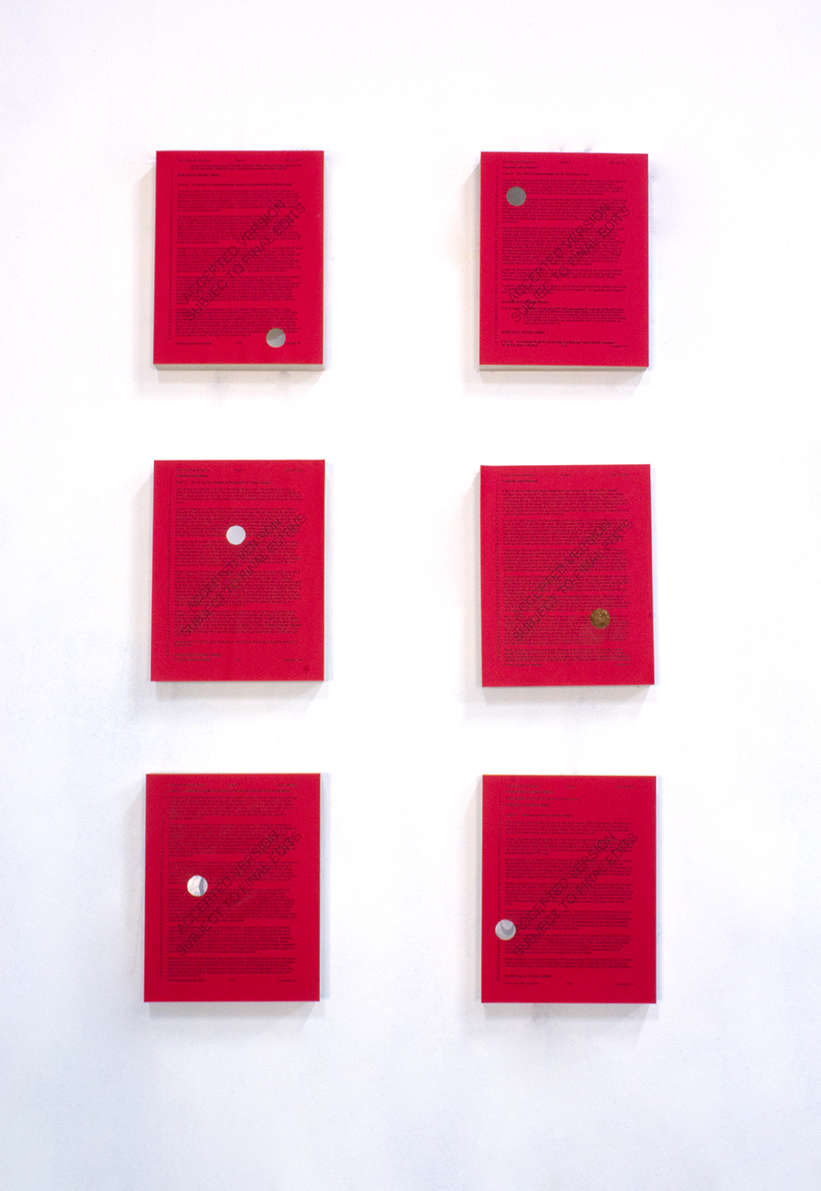
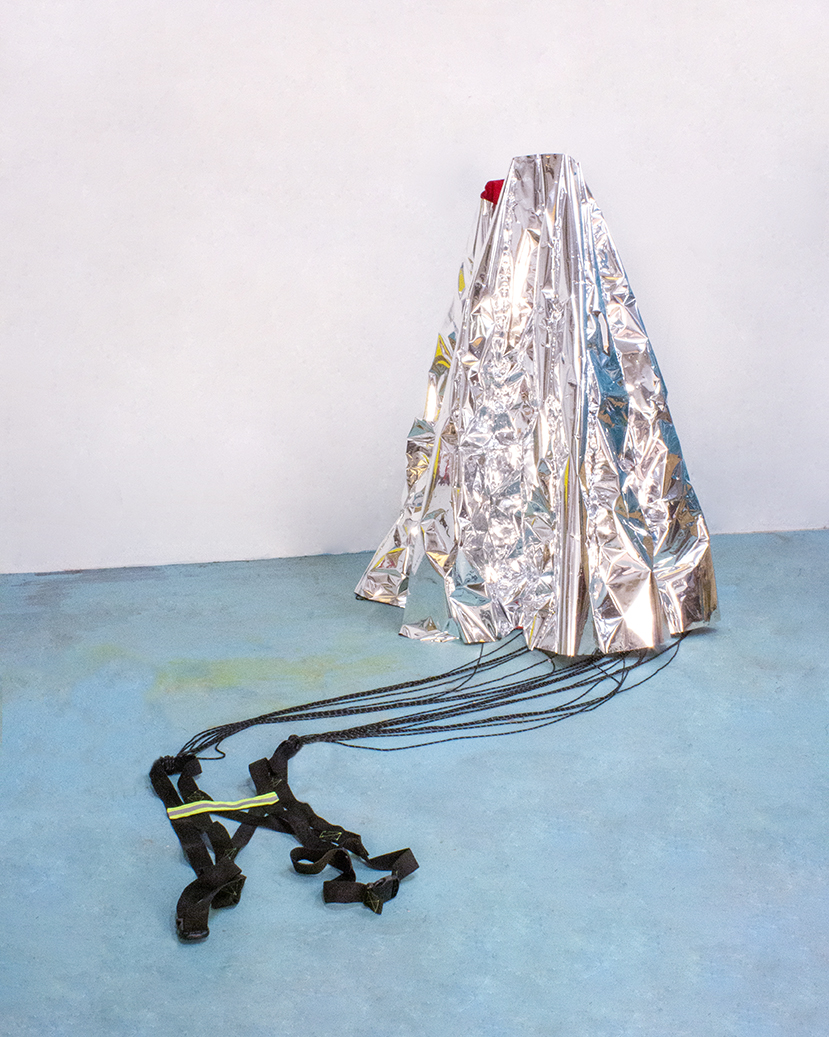
(2021, ongoing)This body of work considers the aesthetics used by scientific models to convey climate science data as well as the visual language of occupational safety and hazard within institutional structures.
The through line inquiries connecting these discrete objects are multipronged: How is survival both imagined and reified under the conditions of transnational capitalism and its cataclysmic environmental fallout? What ideologies and ontologies prevail in shaping cultural narratives around climate change and the Anthropocene at large, particularly within American sociopolitical realities and scientific communities? How are aesthetic and dialogic outcomes bound up in these questions? How do humans and the organisms of our broader ecologies comprehend, relate to, and/or utilize these representations?
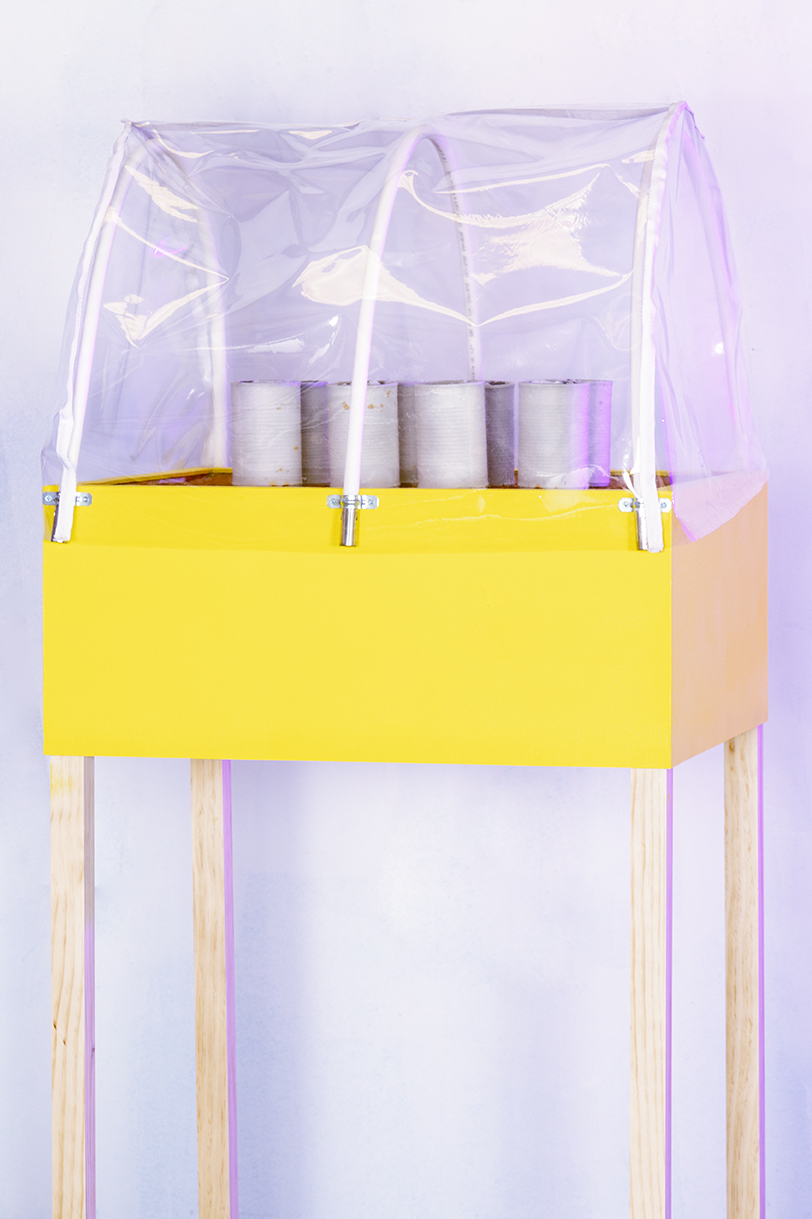
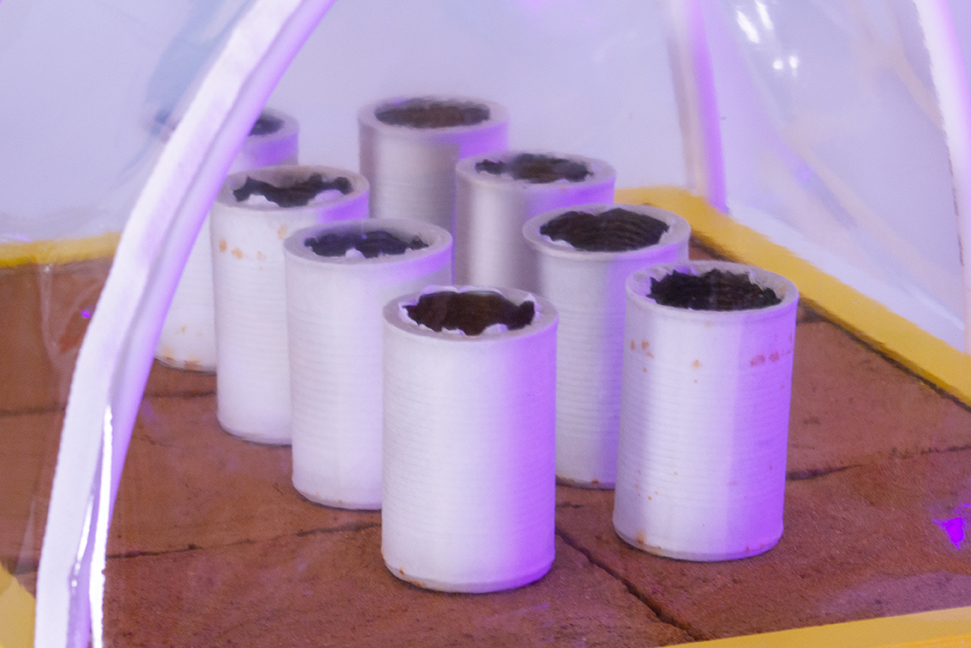
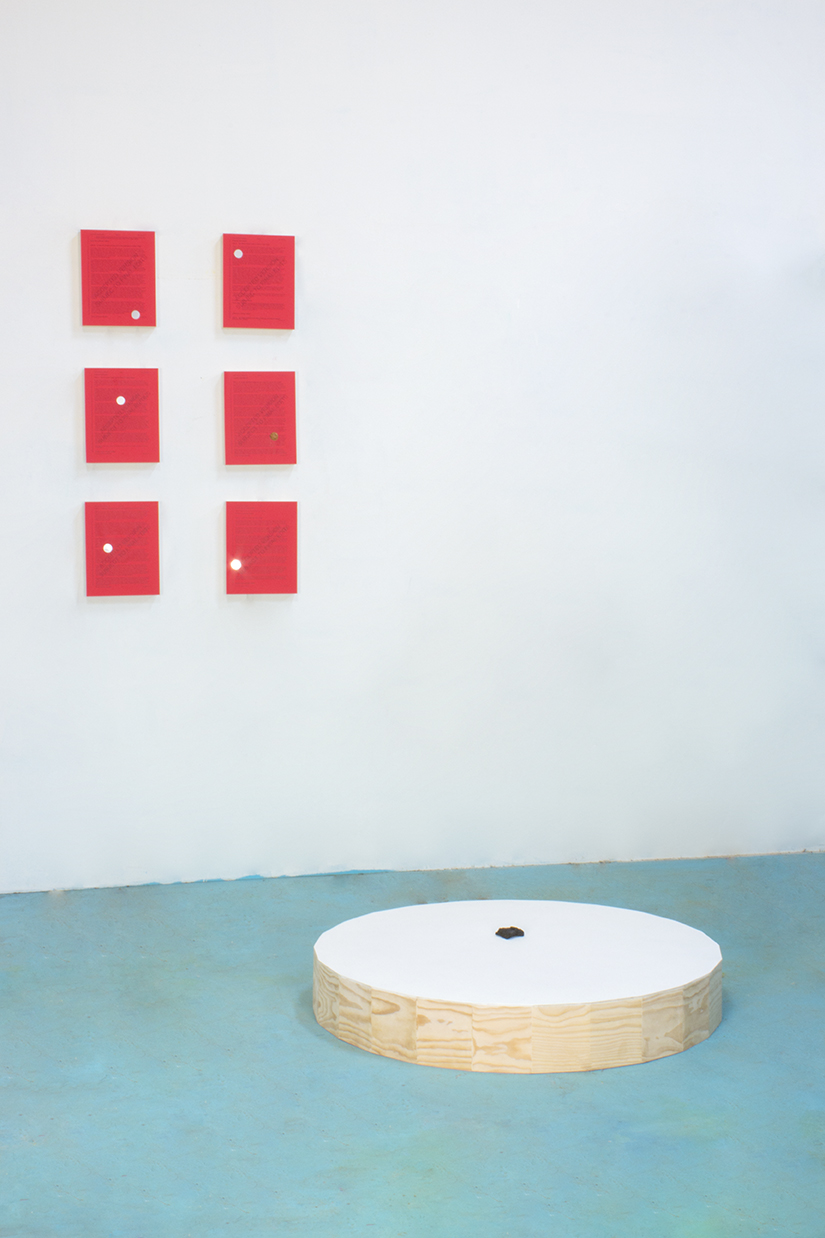
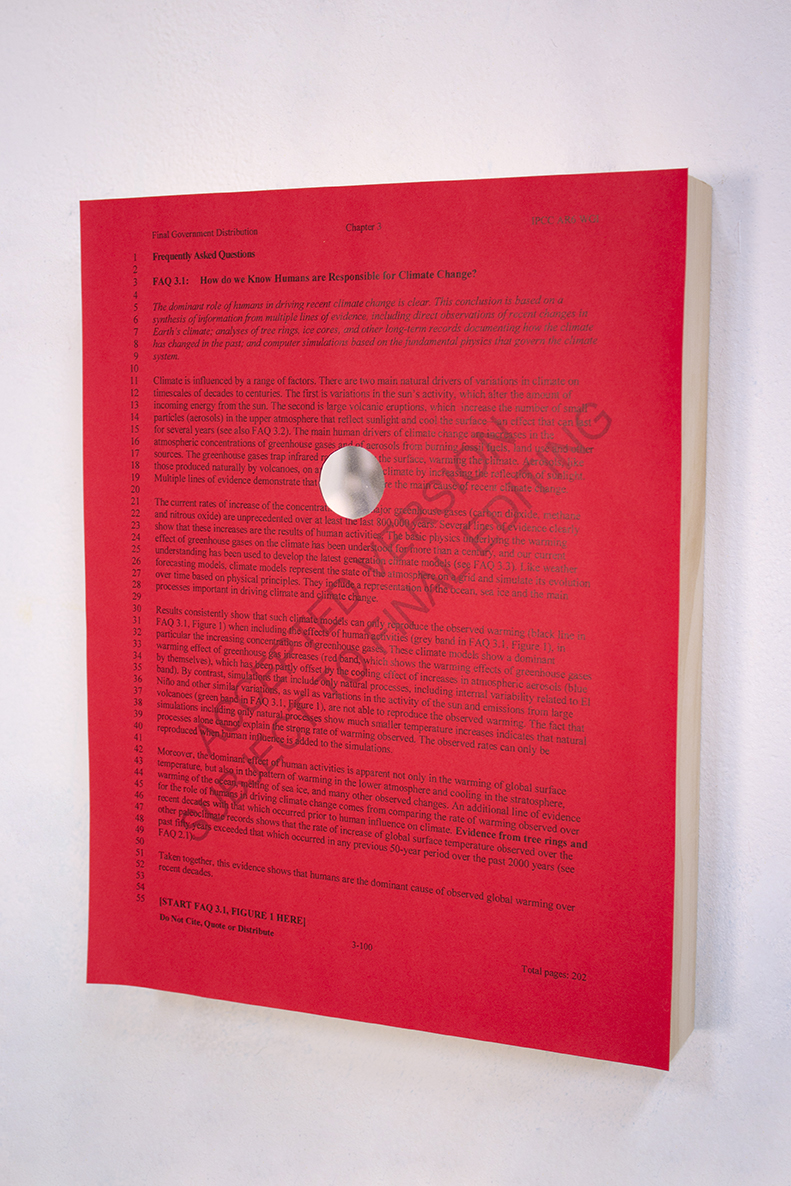
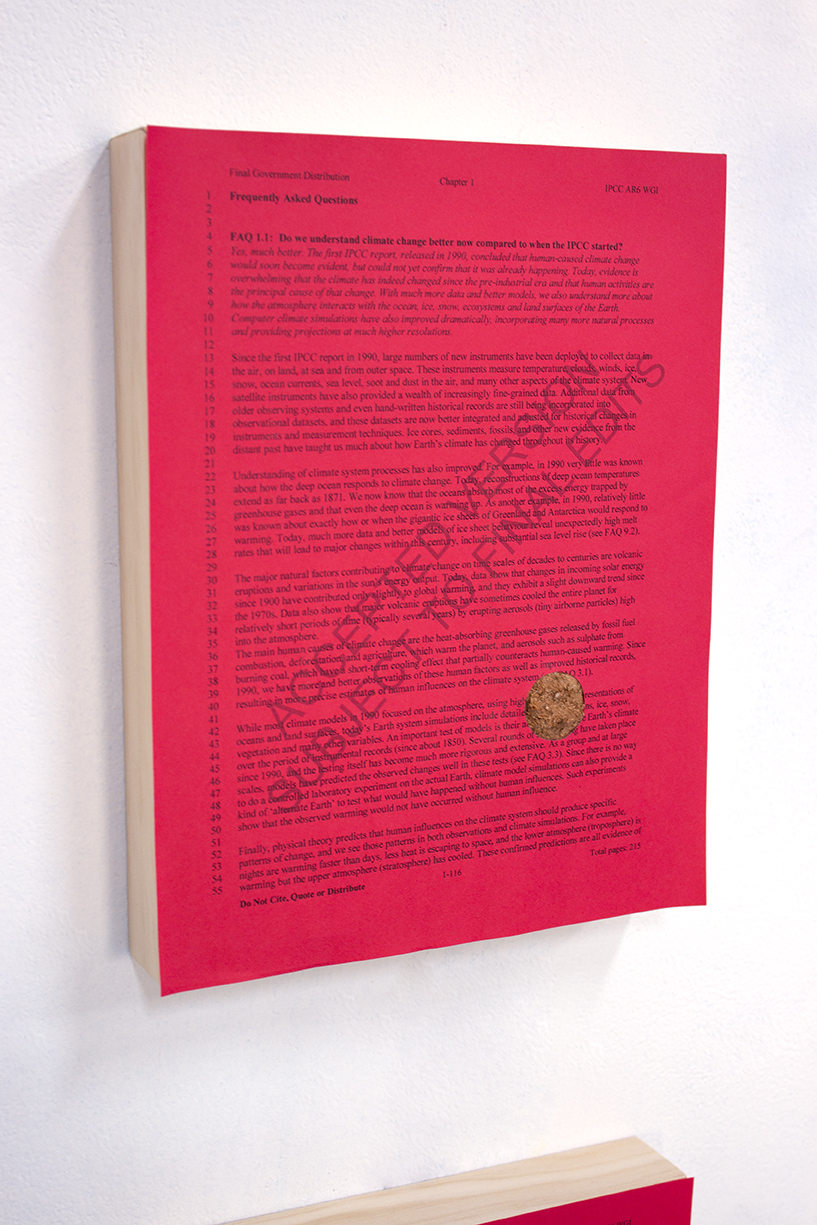
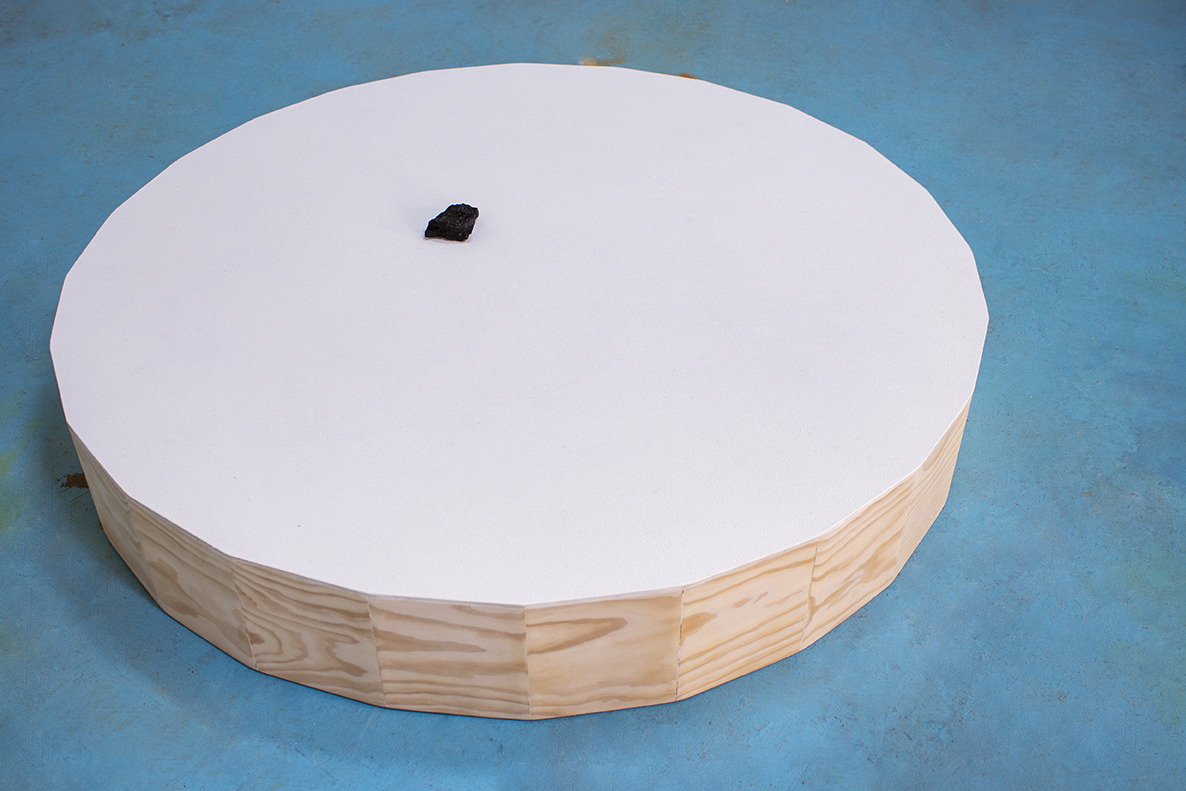
I appropriate high-visibility colors that often distinguish safety guidelines in institutional spaces (fluorescent red, “safety” yellow, didactic text), and combine them with minimal interpretations of the aesthetic characteristics of scientific models and technological tools. I incorporate the processed debris of our constructed environment such as pine, construction dirt, coal, and other found objects ejected or made phenomenological by supply chains. I also utilize reflective mylar typically sourced for horticulture and in the manufacturing of emergency blankets.
The relationships between materials and forms set up a series of thematic blurs: coal as document, document as void, void as disembodiment, disembodiment as parachute, parachute as mirror, mirror as escape, escape as technology, technology as protection, protection as fallacy. These associations bounce between works and linger on the numerous blank planes of the objects. Particular resolutions are obscured; fields of projection saturate.